Zurig: A Critical Evaluation of a Menacing Horror Display Typeface
In the realm of graphic design, typography often serves as the primary vehicle for establishing mood before a single image is processed by the viewer. For designers working within the horror, thriller, and dystopian genres, selecting a font that effectively communicates fear, decay, or suspense is a critical decision. Zurig has emerged as a significant option in this niche, offering a distinct aesthetic designed to evoke unease and dread. This analysis examines the specific characteristics of Zurig, evaluates its two available styles, and compares its utility against broader typographic strategies to help professionals determine if it fits their project requirements.
The Dual Nature of Zurig: Regular and Grunge
What distinguishes Zurig from many generic "scary" fonts is its deliberate segmentation into two distinct stylistic approaches: Regular and Grunge. Understanding the functional differences between these two variations is essential for making an informed selection.
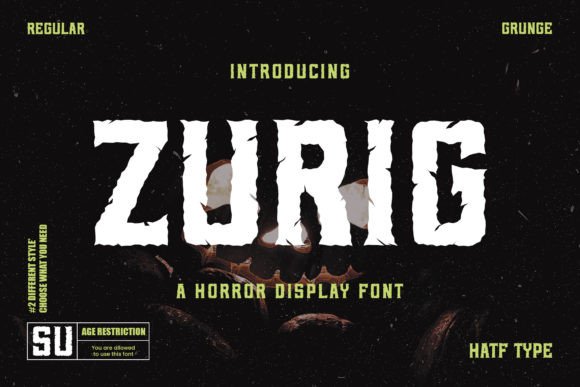
The Regular style of Zurig focuses on structural tension rather than surface texture. It is meticulously crafted to orchestrate an experience of bone-chilling fear through solid lines and piercing angles. The letterforms are distorted and uneven, yet they retain a cohesive geometric logic reminiscent of age-old horror conventions. This approach creates a sense of rigid, unnatural stability that feels inherently wrong to the human eye. The details suggest something ancient and malevolent, making it particularly effective for titles that need to feel iconic and timeless, such as classic slasher movie posters or Halloween event invitations where clarity remains important despite the distortion.
Conversely, the Grunge style abandons structural perfection in favor of chaotic degradation. This variation infuses grunge elements and gritty textures directly into the typography, resulting in a delightfully disordered appearance. The characters reveal worn-out, cracked, and streaked nuances that simulate physical damage. This style conjures a sense of uncontrolled disarray and devastation, moving beyond psychological fear into the realm of physical destruction. It is less about the eerie aura of the unknown and more about the visceral reality of collapse, making it ideal for apocalyptic themes, post-apocalyptic narratives, or projects requiring a raw, damaged aesthetic.
Comparing Structural Integrity vs. Textural Chaos
When evaluating display fonts for horror applications, designers often face a trade-off between legibility and atmospheric impact. The Regular version of Zurig strikes a balance; while the lettering is distorted, the underlying structure allows for reasonable readability even at smaller sizes compared to heavily textured alternatives. The Grunge version, however, prioritizes texture over form. While visually striking, the heavy application of cracks and streaks can reduce legibility, particularly when used in body copy or dense layouts. This distinction dictates that the Regular style is better suited for headlines that must be read quickly, whereas the Grunge style functions best as a large-scale visual element where the texture itself conveys the message.
Contextual Fit: When Zurig Is the Right Choice
Selecting the right typeface requires aligning the font's inherent personality with the narrative goals of the project. Zurig excels in specific scenarios where the design brief demands a high-impact, immediate emotional response.
- Horror Movie Titles: The piercing angles and uneven spacing of the Regular style mimic the erratic nature of psychological thrillers. It works exceptionally well for films that rely on suspense and traditional monster tropes.
- Halloween Posters and Events: For seasonal marketing, the font's ability to instantly signal "spooky" without requiring additional imagery makes it a time-efficient choice for event organizers.
- Dystopian and Apocalyptic Themes: The Grunge style is uniquely positioned for projects depicting societal collapse. The cracked and streaked nuances resonate with themes of war, environmental disaster, or zombie outbreaks.
- Music Album Covers: In the metal, industrial, and dark ambient music scenes, the bold aesthetic of Zurig provides the necessary aggression and grit. The Grunge variant, in particular, complements bands that focus on raw, unpolished soundscapes.
- Independent Film Posters: Low-budget productions often rely on strong typography to convey tone. Zurig offers a cinematic quality that elevates the perceived production value of indie horror projects.
Tradeoffs and Limitations in Professional Design
While Zurig offers compelling visual assets, it is not a universal solution for all horror-related designs. As with any specialized display font, there are inherent limitations that designers must consider during the evaluation process.
One significant tradeoff is versatility. Because Zurig is so heavily stylized, it struggles to adapt to contexts outside of horror, thriller, or edgy alternative aesthetics. Using it for a general-purpose title or a subtle mystery genre piece might feel overpowering or tonally mismatched. The aggressive nature of the font can dominate a layout, potentially clashing with other design elements if not managed carefully.
Furthermore, the textural complexity of the Grunge style presents technical challenges. When scaling down for social media thumbnails or mobile interfaces, the fine details of the cracks and streaks may become muddy or indistinguishable. Designers must ensure that the font size remains sufficiently large to maintain the intended effect. Additionally, because the font relies heavily on its distressed appearance, it may not pair well with other heavily textured fonts or busy background images, leading to visual clutter.
Evaluating Alternatives and Broader Categories
To make a fully informed decision, it is helpful to compare Zurig against other approaches within the horror typography category. While direct competitor names vary by marketplace, the typographic landscape generally divides into three main categories: gothic/blackletter, modern/minimalist horror, and distressed/grunge.
Gothic and Blackletter Fonts: These styles offer a historical, medieval feel often associated with vampires or ancient curses. They provide a level of elegance and tradition that Zurig lacks. If a project requires a sense of aristocratic evil or historical weight, a blackletter font might be a superior alternative to the more chaotic Zurig.
Minimalist Horror: Some contemporary horror trends favor clean, sans-serif fonts with subtle kerning adjustments to create unease. This approach relies on negative space and simplicity rather than overt distortion. For psychological thrillers that aim to unsettle the audience through subtlety rather than shock, a minimalist approach may be more effective than the explicit menace of Zurig.
Distressed and Grunge Variants: There are numerous other fonts in the market that utilize similar crack and wear effects. However, Zurig differentiates itself through the specific combination of its Regular and Grunge styles within a single family. Many competitors force the designer to purchase separate licenses for a clean version and a distressed version. Having both options under one roof allows for greater flexibility in creating hierarchies—for example, using the Regular style for the main title and the Grunge style for subtitles or emphasis.
Decision Factors for Selection
Before committing to Zurig, designers should evaluate their project against the following criteria:
- Tone Alignment: Does the project require a sense of structured terror (Regular) or chaotic destruction (Grunge)?
- Legibility Requirements: Will the text need to be readable at small sizes? If yes, the Regular style is safer, while the Grunge style should be reserved for large headers.
- Visual Hierarchy: Can the layout support a dominant, textured font without overwhelming the accompanying imagery?
- Genre Expectations: Does the target audience expect a classic horror look or a modern, gritty aesthetic?
Practical Application Strategies
To maximize the effectiveness of Zurig, practical application strategies can mitigate its limitations. Pairing the font with high-contrast backgrounds ensures that the intricate details of the Grunge style remain visible. When using the Regular style, adjusting the tracking (letter-spacing) can enhance the feeling of isolation between characters, amplifying the eerie atmosphere.
Designers should also consider the color palette. While red and black are standard for horror, Zurig's textures can interact interestingly with desaturated tones like slate gray, rust orange, or bruised purple, adding depth to the dystopian or grunge aesthetic. Avoiding overly busy patterns behind the text is crucial; the font itself provides sufficient visual noise, so the background should ideally serve as a neutral canvas to let the typography breathe.
Conclusion on Suitability
Zurig represents a robust tool for designers seeking to inject immediate tension and atmosphere into their work. Its dual-style offering provides a versatile range of options, from the structured dread of the Regular version to the chaotic decay of the Grunge version. However, its strength lies in its specificity. It is not a font for every project, nor is it suitable for designs requiring subtlety or broad readability.
For professionals working on horror movie titles, Halloween promotions, dystopian narratives, or edgy music branding, Zurig offers a compelling aesthetic that balances artistic flair with functional impact. By understanding its strengths, limitations, and the specific contexts in which it thrives, designers can leverage this typeface to create memorable, spine-tingling visuals that resonate with their intended audience. Ultimately, the decision to use Zurig should hinge on whether the project demands a bold, unapologetic declaration of fear or a nuanced exploration of the macabre.