Retro Horror: The Playful Halloween Display Font That Brings Authenticity to Your Designs
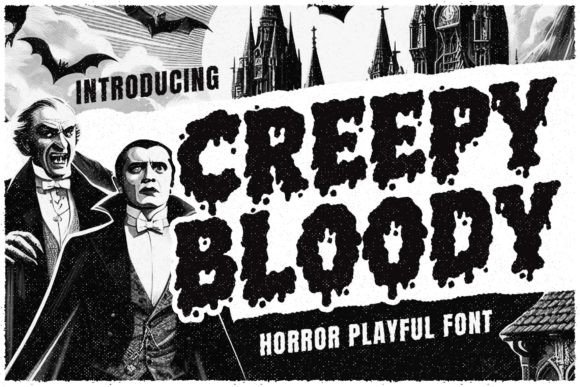
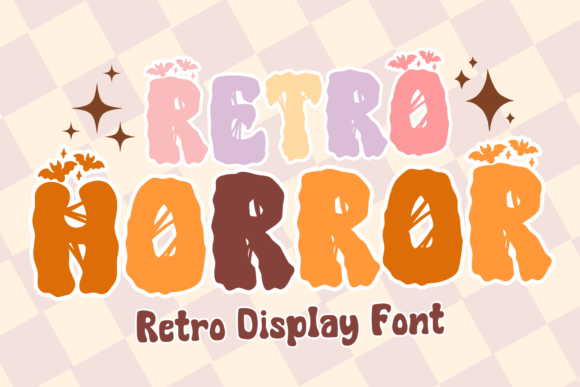
There is a specific kind of magic in the way vintage horror aesthetics blend fear with nostalgia. It’s the difference between a modern, hyper-realistic monster and the charmingly spooky creatures found in 1950s drive-in movie posters. This unique intersection of playfulness and authenticity is exactly what Retro Horror captures. As a dedicated Retro Halloween display font, it serves as more than just a typeface; it is a visual shortcut that instantly transports your audience back to an era where horror was campy, colorful, and undeniably fun.
For designers, bloggers, and creative entrepreneurs, finding a font that balances readability with thematic intensity can be a challenge. Many "scary" fonts lean too heavily into illegibility or modern grit, while others feel too generic. Retro Horror solves this by offering a distinct character that feels hand-crafted yet polished. Whether you are launching a seasonal marketing campaign or designing a personal invitation, this typeface provides the perfect vehicle for storytelling without overwhelming your content.
Bringing Nostalgia to Branding and Logos
In the competitive world of branding, standing out often requires leaning into a specific aesthetic rather than trying to appeal to everyone at once. For businesses operating in the entertainment, food, or lifestyle sectors, Retro Horror offers a compelling identity. Imagine a local coffee shop rolling out a limited-edition pumpkin spice latte. Instead of using a standard serif font for their signage, applying Retro Horror immediately signals a playful, community-focused event. It suggests that the brand knows how to have fun and isn't afraid to embrace the season's spirit.
Similarly, independent clothing brands often use typography as their primary graphic element. A t-shirt design featuring a classic haunted house illustration paired with the bold strokes of Retro Horror creates a cohesive look that appeals to adults who grew up watching Saturday morning cartoons or attending midnight movie screenings. The font’s inherent retro quality lends itself beautifully to logos for craft breweries releasing autumn ales, escape rooms with a vintage theme, or even pop-up shops dedicated to collectibles. In these scenarios, the font acts as a bridge, connecting the product to a shared cultural memory of classic horror tropes.
Elevating Personal Projects and Stationery
Beyond commercial applications, Retro Horror shines in personal projects where creativity and emotion take center stage. For the planner enthusiast, incorporating this font into monthly headers or special event sections adds a layer of personality that standard digital templates lack. It transforms a mundane schedule into a themed experience, making the act of planning feel like part of the holiday celebration.
Invitations and greeting cards are perhaps the most intimate use cases for this typeface. When sending out invites for a Halloween party, the font sets the tone before the guest even reads the details. Unlike jagged, dripping fonts that can sometimes look messy or low-quality, Retro Horror maintains a clean structure that ensures the essential information—date, time, location—remains legible. This balance is crucial for adult audiences who appreciate the aesthetic but still need clarity.
Photo albums and scrapbooks also benefit significantly from this style. Parents documenting their children's first trick-or-treat adventures or couples creating a memory book of their annual costume parties can use Retro Horror for captions and titles. The font adds a whimsical touch that elevates simple snapshots into a curated narrative, preserving the joy and excitement of the moment with a stylistic flair that feels timeless.
Digital Content and Social Media Engagement
The digital landscape demands attention-grabbing visuals, and social media platforms are no exception. Blog posts centered around seasonal recipes, DIY decoration tutorials, or horror movie reviews can leverage Retro Horror in their featured images and pull quotes. In a feed filled with high-definition photography, a text overlay in this distinctive font stops the scroll. It tells the reader immediately that the content is relevant to the current season and aligns with a specific, beloved aesthetic.
Advertisers running campaigns on Instagram, Pinterest, or TikTok find that this font resonates well with the 20-to-50 demographic. These users often seek authenticity and value designs that feel human-made rather than algorithmically generated. By using Retro Horror in ad creatives for online stores selling costumes or home decor, marketers can create a sense of urgency and excitement. The font’s playful nature reduces the intimidation factor of "horror," making the products feel accessible and fun rather than scary or niche.
Practical Considerations for Designers
While Retro Horror is versatile, understanding its limitations is key to effective application. As a display font, it is designed for headlines, titles, and short bursts of text. Attempting to set body copy in paragraphs using this typeface can lead to readability issues, especially on smaller screens. The intricate details and stylized letterforms work best when given space to breathe. Therefore, pairing it with a clean, neutral sans-serif font for the main text is a practical strategy that ensures your message is both visually striking and easy to digest.
Color contrast is another critical factor. Because the font embodies a retro vibe, it pairs exceptionally well with high-contrast palettes typical of vintage horror posters—think deep purples against bright oranges, or stark black and white combinations. However, avoid placing it over busy backgrounds without a solid backing or shadow effect, as the decorative elements of the letters might get lost. Testing your design at different sizes is always recommended to ensure the charm of Retro Horror translates across various mediums, from large banners to mobile app icons.
A Tool for Creative Expression Across Industries
The true strength of Retro Horror lies in its ability to adapt to diverse industries while maintaining its core identity. Event planners can use it for flyers promoting haunted mazes or theater productions. Graphic designers working on packaging for candy or snack brands can utilize it to create shelf-ready appeal during the fall months. Even educators looking to make classroom materials engaging for older students might find this font useful for history projects covering the evolution of cinema or literature.
Ultimately, choosing Retro Horror is about more than just picking a scary font; it is about selecting a mood. It invites the viewer to step back in time, to remember the simpler joys of childhood Halloween traditions, and to engage with content that feels genuine and crafted with care. Whether you are building a brand, planning a party, or simply decorating your home, this font offers a reliable way to inject playfulness and authenticity into your creative endeavors. By integrating it thoughtfully into your workflow, you unlock a world of possibilities where design meets nostalgia, resulting in projects that resonate deeply with your audience.