Crypton: A Modern Display Decorative Font Evaluation
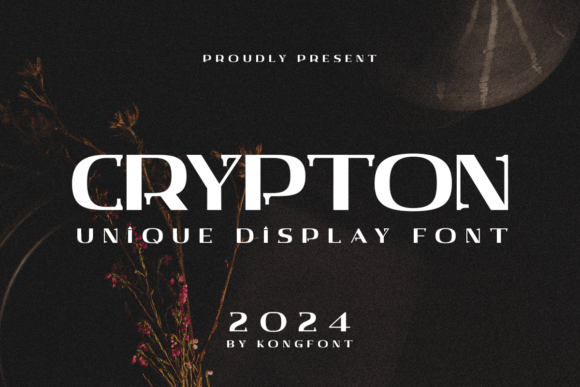
In the realm of digital typography, display fonts serve a specific purpose: to capture attention and establish an immediate visual tone. Crypton is a modern display decorative font designed to fulfill this role with a bold, futuristic aesthetic. Unlike standard typefaces intended for long-form reading, Crypton is engineered for headlines, posters, and branding elements where impact takes precedence over legibility at small sizes. For designers and content creators evaluating type options, understanding the specific characteristics, technical encoding, and practical applications of Crypton is essential before integrating it into a project.
Understanding the Design Philosophy of Crypton
Crypton distinguishes itself through its edgy, tech-inspired geometry. The typeface combines sharp angles with organic curves, creating a visual language that suggests innovation and forward-thinking. This design philosophy makes it particularly relevant for industries associated with technology, gaming, cybernetics, and modern entertainment. The "decorative" classification indicates that the font includes stylistic flourishes that go beyond standard letterforms. These elements are not merely ornamental; they contribute to a cohesive narrative of futurism within a design layout.
A defining technical feature of Crypton is its PUA (Private Use Area) encoding. In standard Unicode, characters are assigned specific slots to ensure universal compatibility. However, decorative fonts often require hundreds of unique glyphs, swashes, and alternate characters that do not fit into the standard set. By utilizing PUA encoding, Crypton allows users to access these specialized glyphs directly within their design software without complex workarounds. This means that cute glyphs, intricate swashes, and unique ligatures are readily available, streamlining the creative process for users who need rapid access to high-impact visual assets.
Key Benefits for Design Projects
When considering Crypton for a project, several advantages become apparent. The primary benefit is its ability to command attention. In a crowded digital landscape, a headline needs to stop the scroll. The bold weight and unique structure of Crypton ensure that text does not blend into the background. This makes it an effective tool for marketing materials where the goal is immediate engagement.
- Visual Distinctiveness: The futuristic aesthetic sets projects apart from those using generic sans-serif or serif fonts.
- Glyph Accessibility: The PUA encoding simplifies the use of decorative elements, allowing for dynamic variations in headlines without needing multiple font files.
- Versatility in Branding: For brands aiming to project a modern, cutting-edge image, Crypton offers a consistent visual identity across logos and social media graphics.
- Dynamic Composition: The mix of straight lines and decorative curves allows for creative kerning and spacing adjustments that can enhance the overall composition of a poster or banner.
Tradeoffs and Technical Considerations
While Crypton offers significant visual benefits, it is not without tradeoffs. As a display font, it is not optimized for body copy. Using Crypton for paragraphs of text would likely result in poor readability due to the complexity of the letterforms and the density of the strokes. Designers must strictly limit its use to headlines, short phrases, or single words to maintain clarity.
The PUA encoding, while convenient for accessing extra glyphs, requires careful handling regarding cross-platform compatibility. If a design file containing Crypton is shared with someone who does not have the font installed, the PUA characters may not render correctly unless the text is outlined or embedded properly. Furthermore, web implementation requires converting the font to web-friendly formats (such as WOFF2) and ensuring that the custom character maps are preserved during the conversion process. Without proper setup, the decorative elements that define the font's appeal may fail to load on user devices.
Another consideration is the potential for visual fatigue. Because Crypton is so bold and detailed, overusing it can make a design feel cluttered or aggressive. It works best when paired with a neutral, simple sans-serif or serif font for supporting text. This contrast ensures that the eye has places to rest while still being drawn to the key messages presented in Crypton.
Ideal Scenarios for Implementation
Crypton is a strong fit for specific types of projects where a modern, high-energy vibe is required. Tech startups launching new software, video game developers promoting a release, and event organizers planning music festivals or conventions will find this typeface highly effective. The futuristic look aligns naturally with themes of innovation, speed, and digital culture.
It is also well-suited for editorial headers in magazines focused on science fiction, pop culture, or technology trends. In these contexts, the decorative swashes and unique glyphs can be used to create visually interesting pull quotes or section dividers. Additionally, for personal branding portfolios where the creator wants to showcase a distinct style, Crypton can serve as a signature element that reinforces a modern identity.
When to Consider Alternatives
Despite its strengths, there are situations where Crypton may not be the appropriate choice. Projects requiring a sense of tradition, elegance, or formality—such as legal documents, academic publications, or luxury fashion branding—would benefit from more conservative typefaces. The edgy nature of Crypton could clash with the desired tone of sophistication or trustworthiness in these sectors.
Furthermore, if a project demands extensive text blocks or high accessibility standards for users with visual impairments, a simpler, more legible font is necessary. While Crypton is excellent for decoration, it should not be the primary vehicle for information delivery. In cases where a designer needs a futuristic look but requires better readability for longer titles, a geometric sans-serif with variable weights might be a more balanced alternative.
Practical Decision-Making Insights
To determine if Crypton aligns with your goals, evaluate the hierarchy of your design. Ask whether the text you intend to typeset is meant to be read quickly or studied closely. If the answer is "read quickly," and the context supports a modern aesthetic, Crypton is a viable option. Check your workflow capabilities to ensure you can manage PUA-encoded fonts effectively, particularly if collaborating with others or publishing for the web.
Finally, consider the longevity of the trend. While futuristic designs remain popular, specific stylistic choices can date quickly. Ensure that the specific decorative elements of Crypton support the long-term vision of the brand or project. If the goal is timeless appeal, use the font sparingly as an accent rather than the foundation of the entire visual identity. By balancing the striking visual impact of Crypton with practical constraints, designers can leverage its unique qualities to create compelling, future-forward work.