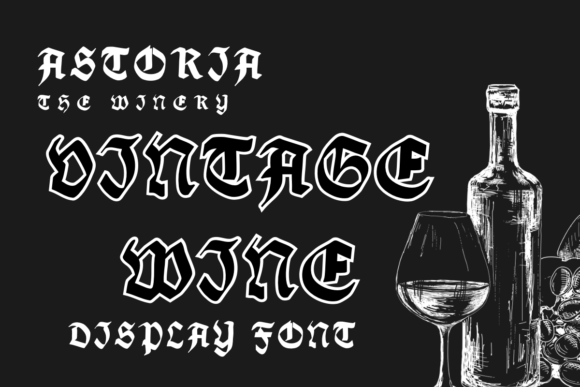
Vintage Wine: The Definitive Guide to a Timeless Display Typeface
In the vast landscape of digital typography, few styles manage to capture the essence of history quite like Vintage Wine. This stylish display font gives off a classy, old-fashioned vibe that immediately transports viewers to an era of ornate lettering and craftsmanship. It looks like the fancy, decorative writing you would see in old books or on vintage signs, with elegant, bold letters that have a touch of blackletter style. For designers, marketers, and brand strategists, understanding how to wield this typeface effectively is crucial for creating visuals that resonate with nostalgia and authority.
Unlike standard serif fonts designed for body text, Vintage Wine is engineered for impact. Its primary function is not merely to convey information but to set a mood. When used correctly, it acts as a visual anchor, signaling quality, tradition, and exclusivity. Whether applied to a wine label, a boutique hotel logo, or a heritage product packaging design, the font serves as a bridge between modern digital experiences and historical aesthetics.
The Architectural DNA of Vintage Wine Typography
To truly appreciate the utility of this font, one must first understand its structural composition. The character of Vintage Wine is defined by its heavy strokes and intricate details. It draws heavily from the Blackletter tradition, specifically Gothic scripts that were prevalent in Europe during the Middle Ages and the Renaissance. However, it does not simply replicate those ancient forms; it adapts them for contemporary legibility while retaining their dramatic flair.
The defining feature of the typeface is its contrast. The thick vertical stems stand in stark opposition to the delicate serifs and swashes that extend from the letters. This high-contrast ratio creates a sense of rhythm and movement, even when the text is static. The "bold" nature of the letters ensures they remain visible at smaller sizes, a common pitfall for many decorative scripts. Furthermore, the inclusion of ligatures—where two or more characters are joined together—adds a layer of sophistication that mimics hand-lettered calligraphy.
Consider the capital letters within the Vintage Wine set. They often feature exaggerated curves and sharp terminals that evoke the feeling of ink flowing from a quill pen onto parchment. This organic quality is what separates it from rigid, geometric sans-serif fonts. It feels human, crafted, and deliberate. For a designer looking to evoke a sense of luxury, these architectural nuances are the key differentiators that elevate a project from simple to exceptional.
Decoding the Blackletter Influence
The mention of a "touch of blackletter style" is significant. True Blackletter fonts can be notoriously difficult to read due to their density and complexity. Vintage Wine strikes a careful balance. It adopts the aesthetic weight and the angularity of Blackletter without sacrificing readability entirely. This hybrid approach makes it versatile enough for headlines where immediate recognition is required, yet distinct enough to avoid looking generic.
This stylistic choice appeals to audiences who value authenticity. In a digital age dominated by clean, minimalist interfaces, the introduction of a font with such historical depth creates a moment of pause. It suggests that the content behind the headline has substance, history, and perhaps a bit of mystery. This psychological trigger is powerful for brands aiming to position themselves as established authorities in their respective fields.
Strategic Applications Across Industries
The versatility of Vintage Wine extends far beyond its namesake industry. While it is naturally suited for wineries, distilleries, and breweries, its application is much broader. Any sector that relies on heritage, craftsmanship, or premium positioning can benefit from this typeface. Understanding where and how to deploy it is essential for maximizing its impact.
- Luxury Packaging: From artisanal chocolates to bespoke leather goods, this font communicates that a product is made with care and attention to detail. It transforms a simple box into a gift-worthy experience.
- Hospitality Branding: Hotels, restaurants, and cafes often use this style to suggest a cozy, established atmosphere. A menu header in Vintage Wine sets expectations for a dining experience that honors tradition.
- Event Invitations: Weddings, galas, and anniversary celebrations frequently utilize this aesthetic to create a sense of occasion. The font adds a layer of formality and elegance that standard scripts cannot achieve.
- Digital Media and Gaming: In the realm of video games and fantasy literature, this typeface is ideal for titles and chapter headings. It instantly establishes a setting that is either medieval, Victorian, or steeped in magic and lore.
For business owners, the decision to use Vintage Wine should align with the overall brand narrative. If the story is about innovation and speed, this font may feel out of place. However, if the narrative centers on legacy, timelessness, and refined taste, it becomes an indispensable asset. The font acts as a visual shorthand, telling the consumer exactly what kind of world they are entering before they even read a single word of copy.
Design Principles for Effective Implementation
While Vintage Wine is visually striking, it requires a disciplined approach to ensure it enhances rather than overwhelms a design. The inherent complexity of the letters means that overuse can lead to visual clutter. Adhering to specific design principles will help creators maintain clarity and impact.
Kerning and Spacing Considerations
One of the most critical technical aspects of using this font is managing the space between characters. Because the letters are bold and decorative, tight kerning can cause the glyphs to merge into an unreadable blob. Conversely, excessive spacing can break the flow of the script, making it look disjointed. Designers must carefully adjust the tracking to find the sweet spot where the individual flourishes are visible, but the word remains cohesive.
Additionally, line height plays a pivotal role. Since the ascenders and descenders of Vintage Wine can be quite prominent, standard leading (line spacing) often results in collisions between lines of text. Increasing the line height by 20 to 30 percent usually provides the necessary breathing room, ensuring that the elegant loops do not interfere with adjacent lines.
Pairing with Complementary Fonts
A successful typographic hierarchy rarely relies on a single font. Vintage Wine demands a partner that can handle the bulk of the informational load. The best pairings are typically clean, neutral sans-serif fonts or simple, high-contrast serifs. These secondary fonts should recede into the background, allowing the display font to take center stage.
For example, pairing Vintage Wine with a minimalistic font like Helvetica or Roboto creates a dynamic tension between the old and the new. This juxtaposition highlights the unique features of the display font while ensuring that the body text remains highly legible. Avoid pairing it with other decorative or script fonts, as this will create a chaotic visual competition that distracts the viewer from the core message.
Navigating Accessibility and Legibility
In the pursuit of aesthetic beauty, accessibility must never be compromised. While Vintage Wine is stunning, its decorative nature presents challenges for users with visual impairments or dyslexia. The intricate details and varying stroke widths can make character recognition difficult for some individuals.
Best practice dictates that this font should be reserved strictly for headlines, logos, and short phrases. It should never be used for paragraphs of body text, especially on small screens like mobile devices. When designing for web environments, it is crucial to ensure sufficient color contrast between the text and the background. Darker shades of the font against light backgrounds, or vice versa, will improve readability significantly.
Furthermore, consider the context of the user's environment. A sign viewed from a distance needs to be simplified, whereas a close-up print advertisement can afford more detail. By limiting the usage of Vintage Wine to short, impactful bursts, designers can enjoy its aesthetic benefits without alienating segments of their audience. This balanced approach demonstrates a commitment to both style and inclusivity.
Cultural Resonance and Market Trends
The enduring popularity of Vintage Wine reflects a broader cultural trend toward nostalgia and authenticity. In a rapidly changing digital world, consumers are increasingly drawn to brands that feel grounded in history. This typeface taps into that desire, offering a tactile, human element that resonates on an emotional level.
We are seeing a resurgence of "retro-futurism" and vintage aesthetics across various media platforms. From social media graphics to major advertising campaigns, the old-fashioned vibe provided by this font is being reinterpreted for modern contexts. It signals to the consumer that a brand respects tradition while remaining relevant today. This duality is particularly effective for startups trying to establish trust quickly; by adopting a font that implies longevity, they can borrow credibility from the past.
Moreover, the font's association with luxury and exclusivity aligns perfectly with the current market demand for premium experiences. As consumers become more discerning, the visual language of a brand becomes a primary factor in purchasing decisions. Vintage Wine offers a ready-made solution for communicating high value and sophisticated taste without needing extensive explanation.
Technical Workflow for Digital Creators
For graphic designers and web developers, integrating Vintage Wine into a workflow requires specific technical considerations. When working with vector software, ensure that the font file is properly installed and that the rendering engine supports complex glyph outlines. Some older systems may struggle with the intricate paths of the blackletter-style elements, leading to jagged edges or missing characters.
In web development, converting the font to a web-safe format like WOFF2 is recommended to ensure fast loading times. Given the detailed nature of the font, file size can be a concern. Optimizing the font subset to include only the necessary characters for a specific project can significantly reduce bandwidth usage without sacrificing visual quality. Additionally, testing the font across various browsers and operating systems is essential to guarantee consistent rendering.
When exporting assets for print, always convert text to outlines before sending files to the printer. This prevents substitution errors if the recipient does not have the Vintage Wine font installed. It also allows for precise control over the final appearance, ensuring that the bold letters and elegant curves appear exactly as intended on the physical medium.
Conclusion on Visual Impact
Ultimately, Vintage Wine is more than just a collection of letters; it is a tool for storytelling. Its ability to convey a classy, old-fashioned vibe makes it a powerful asset for anyone looking to infuse their work with character and depth. By understanding its structural nuances, applying it strategically across various industries, and adhering to best practices for accessibility and pairing, creators can harness its full potential.
Whether you are crafting a label for a small-batch craft beer, designing a logo for a historic preservation society, or creating an invitation for a grand gala, this font offers a unique voice. It stands as a testament to the enduring power of typography to shape perception and evoke emotion. In a crowded marketplace, the distinctive look of Vintage Wine can be the difference between blending in and standing out, inviting audiences to step back in time and appreciate the finer things in life.