Utilize: A Comprehensive Guide to a Bold Retro Display Font
In the landscape of digital typography, few styles command attention quite like the bold, all-caps display fonts that evoke a sense of history and energy. Utilize stands out as a prime example of this category, offering a design that channels retro aesthetics with a modern execution. For designers, marketers, and creative professionals aged 20 to 50 who are constantly evaluating visual assets, understanding the specific utility of a typeface like Utilize is essential. It is not merely about finding a font that looks old-fashioned; it is about selecting a tool that effectively communicates nostalgia, strength, and clarity in a crowded visual environment.
This guide explores the distinct characteristics of Utilize, evaluates its strengths against other typographic approaches, and provides a practical framework for deciding when this font is the right choice for your project. By examining its structural details and comparing it to broader categories of retro and display typography, you can make an informed decision that aligns with your specific design goals.
The Distinctive Character of Utilize
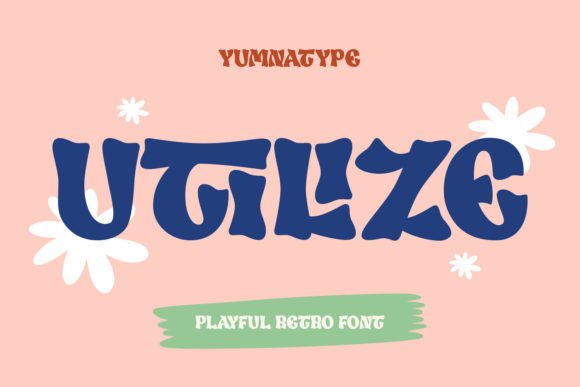
At its core, Utilize is defined by its commitment to a specific visual language: the bold, uppercase display style. Unlike serif or sans-serif body fonts designed for long-form reading, Utilize is engineered for impact. Its primary function is to grab attention immediately, making it ideal for headlines, logos, posters, and packaging where legibility at a glance is paramount.
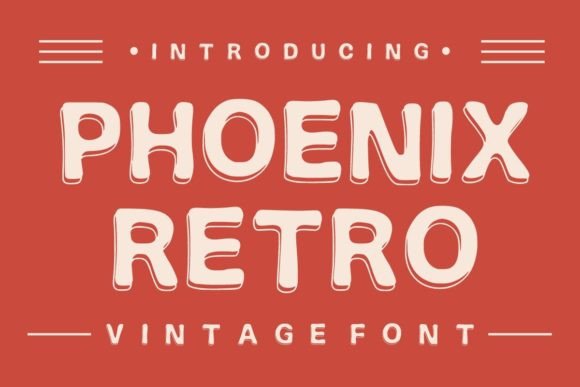
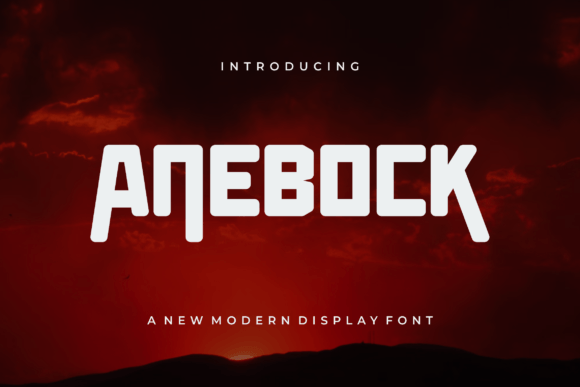
What sets Utilize apart from generic block letters is its meticulous attention to detail. The font features sharp angles and thick, confident strokes that mimic the hand-painted signage and industrial lettering of the mid-20th century. This "vintage charm" is not accidental; it is the result of deliberate geometric choices. The sharp angles create a sense of dynamism and movement, preventing the heavy weight of the letters from appearing static or clumsy. Instead, the characters feel energetic and assertive.
Furthermore, the all-caps design of Utilize contributes significantly to its identity. In typography, using only capital letters increases the visual density and creates a uniform texture that reads as a solid block of information. This makes Utilize particularly effective for short phrases or single words where the shape of the text itself becomes a graphic element. The bold weight ensures that even at smaller sizes, the font retains its structural integrity, though it is best utilized at larger scales to fully appreciate the nuances of its stroke terminals and counter shapes.
Evaluating Strengths and Tradeoffs
When considering any display font, it is crucial to weigh its capabilities against its limitations. Utilize offers several distinct advantages that make it a powerful addition to a designer's toolkit, but these come with inherent tradeoffs that must be managed carefully.
Key Strengths
- High Visual Impact: The combination of bold weight and sharp angles ensures that text rendered in Utilize dominates its space. It cuts through cluttered layouts and establishes immediate hierarchy.
- Versatile Nostalgia: While rooted in retro aesthetics, the clean lines of Utilize allow it to bridge the gap between vintage and modern. It works well in projects aiming for a "retro-futurist" look or a classic Americana vibe without feeling dated.
- Structural Clarity: Despite its decorative nature, the letterforms remain highly legible. The open counters and distinct shapes prevent characters from blurring together, which is a common issue with overly stylized display fonts.
- Brand Authority: The heavy, solid appearance of the font conveys stability and confidence. It is often used to suggest reliability, strength, or tradition in branding contexts.
Potential Limitations
- Limited Readability for Body Text: Like most bold, all-caps display fonts, Utilize is not suitable for paragraphs or long-form content. The lack of lowercase variation and the high visual weight can cause eye strain if used beyond headlines.
- Space Consumption: The bold strokes and wide spacing required for optimal rendering mean that Utilize takes up more horizontal space than standard weights. This can be a constraint in tight layouts or mobile interfaces.
- Tone Constraints: The aggressive, loud nature of the font may clash with projects requiring subtlety, elegance, or softness. It is inherently assertive and may overwhelm delicate imagery or minimalist designs.
Comparing Utilize to Alternative Approaches
To truly understand where Utilize fits, it helps to compare it with other typographic strategies often used to achieve similar effects. Designers frequently face the choice between custom hand-lettering, other retro display fonts, and modern geometric sans-serifs.
When compared to custom hand-lettering, Utilize offers consistency and speed. Hand-drawn typography provides a unique, organic feel that is difficult to replicate digitally, but it requires significant time and skill. Utilize provides a pre-designed solution that captures the spirit of hand-lettering—through its sharp angles and slight irregularities in stroke width—while ensuring perfect kerning and alignment across all characters. For projects with tight deadlines or multiple variations, Utilize is a pragmatic alternative that maintains high quality without the overhead of custom creation.
In contrast to modern geometric sans-serifs, such as Futura or Helvetica, Utilize introduces a layer of historical context. Geometric fonts are neutral and timeless, often chosen for their lack of personality. Utilize, however, brings a specific mood. If a project requires a connection to the past, a sense of heritage, or a specific cultural reference (like 1970s advertising or 1950s diner culture), Utilize is a superior choice over a neutral geometric font. However, if the goal is pure minimalism or a forward-looking tech aesthetic, a cleaner sans-serif might be more appropriate.
Finally, when looking at other vintage display fonts, Utilize distinguishes itself through its balance of aggression and refinement. Many retro fonts lean heavily into distress, wear, or extreme stylistic quirks that can limit their versatility. Utilize maintains a crisp edge, allowing it to be paired with modern elements without creating visual dissonance. This makes it a more flexible option for brands that want to nod to the past while remaining firmly in the present.
Decision Factors: When to Choose Utilize
Selecting the right typeface is ultimately about fit. Utilize is the right choice when your project demands a strong, memorable headline that evokes a specific era or feeling. Consider the following scenarios where Utilize excels:
- Event Branding and Posters: Concert posters, festival banners, and event titles benefit from the loud, energetic presence of Utilize. The font naturally suggests excitement and importance.
- Product Packaging: For goods that want to communicate authenticity, craft, or heritage—such as artisanal foods, beverages, or apparel—Utilize can establish a brand story instantly. The bold weight ensures the product name stands out on a shelf.
- Digital Headers and Banners: On websites or social media graphics, Utilize serves as an excellent anchor for hero sections. Its readability at large sizes makes it perfect for capturing user attention within seconds.
- Logo Design: Brands seeking a logo that feels established and robust often turn to bold display fonts. Utilize provides a solid foundation for wordmarks that need to scale across various mediums.
Conversely, there are situations where Utilize may not be the best fit. If your audience is primarily older adults with visual impairments, the high density of the font might reduce accessibility. Similarly, for corporate reports, academic papers, or luxury brands relying on thin, elegant lines, the heavy, retro nature of Utilize would likely feel out of place. In these cases, a lighter serif or a refined humanist sans-serif would serve the communication goals better.
Practical Implementation Strategies
To maximize the effectiveness of Utilize, consider how it interacts with other design elements. Because the font is so dominant, it pairs best with simpler, more understated supporting typefaces. A clean, light-weight sans-serif or a simple serif for body copy will allow Utilize to shine without competing for attention.
Color also plays a critical role. Utilize works exceptionally well with high-contrast color schemes, such as black on white or bold primaries on dark backgrounds, which enhance its retro appeal. However, because of its bold weight, it can also handle textured fills or gradients without losing legibility, offering opportunities for creative experimentation.
Spacing is another vital factor. Due to the thickness of the strokes, Utilize often benefits from slightly increased letter-spacing (tracking) to ensure the characters do not appear to merge, especially at smaller sizes. Conversely, tightening the tracking can create a solid, monolithic block of text, which can be effective for very short, punchy headlines.
Conclusion on Typography Selection
Choosing a font is a strategic decision that impacts how a message is received. Utilize offers a compelling blend of retro aesthetics and modern functionality, making it a valuable asset for designers who need to convey strength, nostalgia, and energy. By understanding its distinct characteristics, weighing its tradeoffs against alternatives, and applying it in appropriate contexts, you can leverage its full potential.
Whether you are designing a logo, a poster, or a digital campaign, the key is to match the font's personality to your project's objectives. Utilize is not a one-size-fits-all solution, but for the right application, it delivers a level of impact and character that few other typefaces can match. As you evaluate your options, remember that the best typography serves the content, enhancing the message rather than distracting from it.