Stuffed Cheese: A Playful Display Font for Modern Creative Workflows
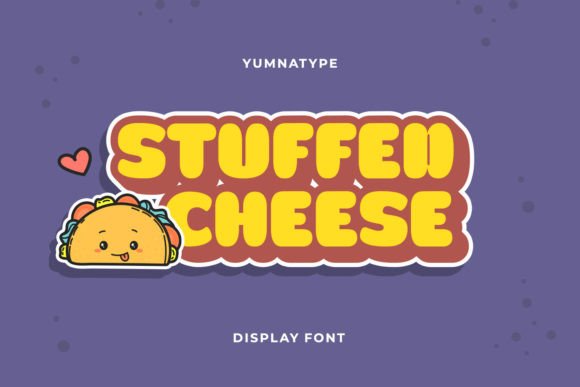
In the landscape of digital design, typography often serves as the silent architect of user experience. While body text prioritizes legibility and efficiency, display fonts are tasked with establishing tone, capturing attention, and conveying personality instantly. Stuffed Cheese is a delightful display font designed to bring a playful touch to your projects. Characterized by its thick weight and rounded letter shapes, this font exudes a fun and friendly vibe. The low contrast between the strokes enhances its approachable and whimsical aesthetic, making it perfect for designs that need a touch of joy and personality. For professionals navigating the intersection of branding, marketing, and content creation, understanding where and how to deploy such a distinct typeface is a critical component of a successful visual strategy.
Defining the Role of Stuffed Cheese in Visual Strategy
Before integrating any new asset into a workflow, it is essential to define its specific function within the broader creative process. Stuffed Cheese is not a utility font meant for long-form reading; rather, it is a strategic tool for impact. Its primary role is to act as a visual anchor in headlines, logos, call-to-action buttons, and social media graphics. The playful style of this font ensures it stands out while maintaining a harmonious and visually pleasing appearance. This distinction is vital for project managers and designers who must balance aesthetic flair with functional clarity.
When planning a brand identity or a marketing campaign, the selection of a display font like Stuffed Cheese should occur early in the conceptualization phase. It sets the emotional baseline for the project. If the goal is to communicate warmth, approachability, or creativity, this font provides an immediate visual cue that aligns with those objectives. Conversely, using it for serious financial reports or legal documents would create cognitive dissonance, confusing the audience. Therefore, the decision to use Stuffed Cheese is a deliberate choice about the message you wish to convey before a single pixel is placed.
Assessing Compatibility and Context
A crucial step in the implementation process involves assessing compatibility with existing brand assets and other typographic choices. Because Stuffed Cheese features thick weights and rounded forms, it pairs best with simpler, high-contrast sans-serif fonts for body copy. This combination creates a hierarchy where the headline grabs attention without overwhelming the supporting text. Designers should test these pairings in mockups to ensure readability across different devices and screen sizes. The low contrast between the strokes, which contributes to its friendly aesthetic, can sometimes reduce legibility at very small sizes, necessitating careful consideration of minimum font sizes in responsive web design.
Furthermore, consider the medium of delivery. In print materials, the bold nature of the font holds up well against textured papers and vibrant inks. In digital environments, however, file size and loading times become relevant factors. Optimizing the font files for web use through formats like WOFF2 ensures that the visual impact of Stuffed Cheese does not come at the cost of site performance. This technical preparation is a non-negotiable part of the workflow for developers and web designers aiming for high-quality user experiences.
Integrating Stuffed Cheese into Project Phases
The lifecycle of a creative project typically moves through discovery, execution, and refinement. Stuffed Cheese plays a unique role in each of these stages, influencing decisions and outputs differently depending on the timeline.
Pre-Project Planning and Mood Boarding
During the initial planning phase, the font serves as a mood-setting element. When assembling mood boards for clients or internal stakeholders, including samples of Stuffed Cheese helps visualize the desired tone. It allows teams to quickly gauge whether a "fun and friendly" direction aligns with business goals. This stage is also ideal for testing color palettes; the thick strokes of the font provide ample surface area for gradients, shadows, and textures, offering a playground for exploring visual depth before final designs are committed.
Execution and Asset Creation
Once the project moves into execution, the focus shifts to practical application. For marketers creating social media campaigns, Stuffed Cheese is particularly effective for overlay text on images and videos. Its rounded letter shapes remain readable even when placed over busy backgrounds, provided sufficient contrast is maintained. Entrepreneurs designing landing pages might utilize the font for hero section headlines to immediately engage visitors. The key during this phase is consistency; applying the font uniformly across all touchpoints reinforces brand recognition. Whether it is a blog header, an email newsletter subject line, or a promotional poster, the font should appear with the same stylistic treatment to maintain professional cohesion.
Post-Launch Review and Optimization
After deployment, the effectiveness of the typography should be reviewed alongside other performance metrics. Did the playful headline increase click-through rates? Did the friendly aesthetic improve user engagement time? Analyzing these outcomes provides data-driven insights for future iterations. If the font feels too dominant or distracts from the core message, adjustments can be made to spacing (kerning) or size. This iterative process ensures that Stuffed Cheese continues to serve the project's goals effectively over the long term.
Practical Implementation Tips for Professionals
To maximize the utility of Stuffed Cheese, creators should adopt a few specific practices that enhance usability and quality control. First, prioritize whitespace. Because the letters are thick and rounded, they require generous leading (line height) and padding to breathe. Crowding the text can make it look cluttered and diminish its inherent charm. Second, leverage the font's versatility in different weights if available, or strictly adhere to a single weight to maintain a clean, unified look.
Collaboration is another critical factor. When working with cross-functional teams, including copywriters and developers, ensure everyone understands the limitations and strengths of the font. Copywriters should know that shorter, punchier headlines work best, while developers need to understand the rendering requirements. Clear communication prevents friction during the production phase and ensures that the final output matches the original vision.
- File Management: Organize font files clearly within your project directory to avoid version confusion. Label them distinctly if multiple styles exist.
- Accessibility Checks: Always verify that the contrast ratio between the text and background meets WCAG standards. The lightness of some colors used with this font may require darkening the text or lightening the background.
- Licensing Compliance: Before purchasing or downloading, review the license terms. Ensure the usage rights cover your intended scope, whether it is personal, commercial, or editorial use.
Workflow Efficiency and Long-Term Consistency
For small business owners and freelancers managing multiple clients, efficiency is paramount. Creating a style guide that incorporates Stuffed Cheese can streamline future projects. By documenting preferred pairings, sizing rules, and usage scenarios, you reduce decision fatigue and speed up the design process. This documentation becomes a valuable resource for team members or contractors who join the project later, ensuring that the brand voice remains consistent even as personnel changes.
Moreover, integrating this font into your digital asset management system allows for quick retrieval and reuse. Instead of searching for the file every time a new banner is needed, having it readily available in your template library saves valuable time. This organizational discipline supports a more agile workflow, allowing you to pivot quickly to new opportunities without compromising on design quality.
Conclusion: Balancing Whimsy with Professionalism
Stuffed Cheese offers a unique opportunity to inject personality into professional communications without sacrificing quality. Its thick weight and rounded shapes provide a visual language that speaks directly to audiences seeking connection and joy. However, like any powerful tool, its value lies in how thoughtfully it is applied. By understanding its role in the creative process, planning for compatibility, and adhering to best practices in implementation, professionals can harness the full potential of this font. Whether you are launching a startup, refreshing a blog, or crafting a marketing campaign, integrating Stuffed Cheese with intention can transform a standard project into a memorable experience.