West Djimbo: The Vintage Western Font That Brings the Frontier to Life
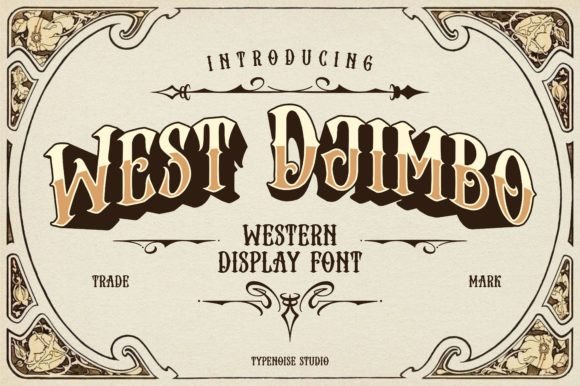
There is a specific kind of visual language that instantly transports you to a dusty trail, a saloon door swinging in the wind, or a wanted poster nailed to a rough-hewn board. It isn't just about the imagery; it is about the typography. When you need a typeface that doesn't just sit on the page but tells a story of rugged individualism and frontier charm, West Djimbo stands out as a premier choice. This vintage, western-style display font captures the essence of the Old West with bold, distinctive letterforms that feel both historic and timeless.
For designers, small business owners, and creative hobbyists, finding the right font can be the difference between a generic project and one that resonates deeply with an audience. West Djimbo offers more than just letters; it offers an atmosphere. Its intricate details and heavy strokes mimic the hand-painted signs of the 19th century, making it an invaluable tool for anyone looking to infuse their work with authentic nostalgia.
Understanding the Spirit of West Djimbo
At its core, West Djimbo is designed to evoke the feeling of the American frontier. Unlike modern sans-serif fonts that prioritize minimalism and digital efficiency, this typeface embraces ornamentation and character. The letterforms are constructed with a sense of weight and permanence, reminiscent of woodblock printing and early lithography techniques used in the Wild West era.
What makes West Djimbo unique is its balance between legibility and decorative flair. While many western fonts can become illegible due to excessive flourishes, West Djimbo maintains a strong structure. The serifs are sharp yet slightly weathered, suggesting age without sacrificing clarity. This quality makes it versatile enough for headlines that need to grab attention from a distance, such as on a billboard or a large event banner, while still holding up well in smaller print applications where detail matters.
Ideal Scenarios for Using West Djimbo
The true power of a font like West Djimbo lies in how it transforms a design when applied to the right context. It is not a font for every situation; rather, it is a specialized tool for specific narratives. Here is where and why this typeface shines in real-world applications.
Rustic Branding and Small Business Identity
Consider a local craft brewery that specializes in amber ales and stouts, or a barbecue joint serving slow-smoked brisket. These businesses thrive on a sense of tradition and authenticity. Using a clean, corporate font would feel disconnected from their product. Instead, applying West Djimbo to their logo, menu headers, or packaging immediately signals to customers what kind of experience to expect. It suggests craftsmanship, heritage, and a no-nonsense approach to quality.
For entrepreneurs launching a line of leather goods, denim apparel, or outdoor gear, this font serves as a visual anchor. A label on a pair of boots featuring West Djimbo doesn't just identify the brand; it reinforces the durability and ruggedness of the product itself. In a crowded marketplace, this stylistic choice helps a brand stand out by aligning visually with the values of its target audience.
Event Marketing and Themed Posters
Whether you are organizing a historical reenactment, a country music festival, or a "cowboy-themed" birthday party, the invitation sets the tone. West Djimbo is perfect for creating posters that feel like they were printed fifty years ago. Imagine a flyer for a rodeo where the event name pops off the page in bold, textured letters. The font's inherent drama creates excitement and anticipation before the reader even processes the date or location.
Marketers often use this style to create a sense of exclusivity or timelessness for limited-time offers. A "Grand Opening" sign for a new western wear boutique using this typeface feels less like a commercial announcement and more like a community gathering notice, fostering a warmer connection with potential customers.
Digital Content and Blogging
In the digital realm, content creators and bloggers covering topics like history, genealogy, or outdoor survival skills can benefit greatly from incorporating West Djimbo into their visual assets. While body text should remain readable and simple, using this font for blog post titles, featured image overlays, or social media graphics adds a layer of thematic consistency. It helps establish a niche identity, signaling to readers that the content is curated with a specific aesthetic and passion.
Freelancers designing websites for tourism boards or heritage sites also find this font useful. A travel site promoting a historic town needs visuals that reflect the destination's past. Using West Djimbo for section headers on a website dedicated to ghost towns or gold rush history creates an immersive user experience that standard web fonts simply cannot achieve.
Educational and Hobbyist Projects
Teachers creating lesson plans about the American West can use West Djimbo to make worksheets and presentations more engaging for students. A timeline of events or a map of famous trails looks significantly more authentic when labeled with a period-appropriate typeface. Similarly, hobbyists involved in model building, scrapbooking, or DIY home decor can use the font to add custom labels to projects, giving them a professional, finished look that elevates a simple craft into a piece of art.
Practical Considerations Before You Download
While West Djimbo is a striking addition to any design toolkit, it requires thoughtful application. Because it is a display font, it is best reserved for headlines, logos, and short phrases. Attempting to set long paragraphs of body text in this typeface can lead to readability issues and visual fatigue. The intricate details that make it beautiful at large sizes can get lost or appear cluttered when scaled down too small.
When choosing to use West Djimbo, consider the background texture. This font pairs exceptionally well with distressed paper textures, wood grain, or high-contrast backgrounds. However, placing it over a busy, colorful pattern might cause the details to disappear. Always test your design in different environments to ensure the letterforms remain distinct.
Furthermore, think about the licensing and usage rights. If you are using this font for a commercial project, such as a client logo or product packaging, ensure you have the appropriate license. Many vintage-style fonts are available for personal use but require a separate purchase for commercial distribution. Understanding these terms protects you and your clients from legal complications down the road.
Pairing West Djimbo for Maximum Impact
To get the most out of West Djimbo, pairing it with complementary typefaces is essential. Since the font is so dominant and detailed, it works best when paired with a simple, neutral sans-serif or a clean serif for body copy. This contrast allows the western font to shine as the focal point without competing for attention. For example, use West Djimbo for the main headline of a restaurant menu and a straightforward font for the list of ingredients and prices. This hierarchy guides the reader's eye naturally and ensures the information is easily digestible.
Ultimately, West Djimbo is more than just a collection of characters; it is a design element that carries history and emotion. Whether you are a marketer trying to capture the spirit of the frontier, a designer crafting a nostalgic brand, or a hobbyist bringing a project to life, this font provides the visual weight needed to tell your story effectively. By understanding its strengths and limitations, you can harness its rugged charm to create designs that resonate, inspire, and endure.