Optimazer: Defining the Future of Modern Typography
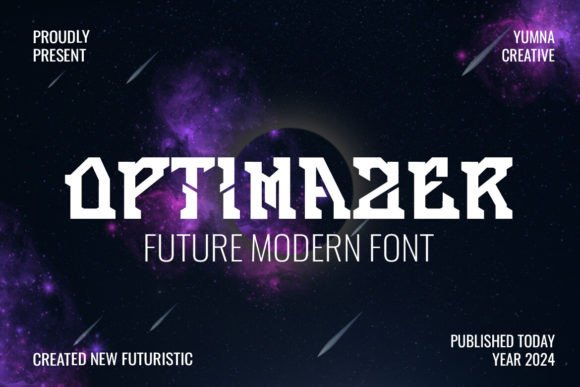
In the rapidly evolving landscape of digital design, the choice of typeface is often the deciding factor between a project that feels dated and one that commands attention. Designers and developers are constantly searching for fonts that balance aesthetic innovation with functional readability. This is where Optimazer emerges as a pivotal tool in the modern creator's toolkit. As a stylish and forward-looking typeface, Optimazer is not merely a collection of characters; it is a strategic asset designed to elevate digital projects into the realm of the futuristic while maintaining the essential clarity required for user engagement.
The demand for typography that signals progress without sacrificing legibility has never been higher. Brands across technology, finance, lifestyle, and media are rebranding to reflect a more agile, tech-forward identity. However, achieving this look can be challenging. Many "futuristic" fonts lean too heavily into abstraction, rendering them unreadable at small sizes or on mobile devices. Conversely, traditional sans-serif fonts often lack the distinctive character needed to stand out in a crowded digital ecosystem. Optimazer bridges this gap, offering sleek lines and a contemporary feel that perfectly blends innovation with readability.
Understanding the Core Identity of Optimazer
At its heart, Optimazer is engineered for the screen-first era. Unlike print-centric typefaces that rely on intricate serifs or heavy strokes, Optimazer utilizes geometric precision and open counters to ensure crisp rendering on high-resolution displays and low-bandwidth environments alike. The font's architecture is built on the principle of "future-ready" design, anticipating how users interact with content today and how those interactions will evolve.
The defining characteristic of Optimazer lies in its versatility. It possesses a neutral yet distinct personality that allows it to adapt to various contexts. Whether used for a bold headline on a landing page or a dense paragraph of technical documentation, the font maintains its structural integrity. This consistency is crucial for building brand trust. When a user encounters a typeface that looks sharp on a desktop monitor and remains equally clear on a smartwatch, it subconsciously reinforces the reliability and sophistication of the product or service being presented.
Addressing Common Design Challenges
Many designers face significant hurdles when attempting to modernize their visual identity. One of the most common challenges is the "uncanny valley" of typography—fonts that look too artificial or alienating. Another frequent issue is the struggle to maintain hierarchy. In a layout filled with dynamic elements like videos, animations, and interactive widgets, text must work harder to guide the user's eye. If the font lacks contrast or distinct weights, the content becomes a wall of text that users quickly abandon.
Furthermore, accessibility is a non-negotiable requirement in modern web development. Fonts with overly stylized features can create barriers for users with visual impairments or cognitive processing differences. There is a persistent need for a typeface that looks cutting-edge but adheres to strict accessibility guidelines regarding letter spacing, x-height, and stroke width. Optimazer addresses these pain points directly by prioritizing human factors in its design process. It offers a wide range of weights and styles that allow designers to create clear visual hierarchies without resorting to jarring stylistic shifts.
How Optimazer Solves Real-World Problems
Implementing Optimazer into a project provides immediate solutions to the issues of engagement and clarity. By utilizing its sleek lines, designers can reduce visual clutter. The font's inherent spaciousness allows for better airiness in layouts, which improves the overall reading experience. This is particularly beneficial for long-form content, such as blog posts or whitepapers, where reader retention is critical.
Moreover, Optimazer facilitates a seamless transition across different platforms. In an omnichannel world, a brand's voice must remain consistent whether the user is browsing on a smartphone, tablet, or desktop. The scalability of Optimazer ensures that the brand message is delivered with equal impact regardless of the device. This adaptability saves time and resources during the development phase, as there is less need for custom adjustments or fallback fonts that might compromise the design vision.
Practical Applications Across Industries
The utility of Optimazer extends beyond simple aesthetics; it serves as a functional component in diverse industries. For tech startups, Optimazer conveys innovation and speed. Its clean geometry aligns perfectly with the minimalist interfaces common in software applications and SaaS dashboards. Financial institutions can leverage the font to project stability and modernity, moving away from the stuffy, traditional serif fonts of the past toward a more approachable, digital-native image.
In the e-commerce sector, where conversion rates depend heavily on user experience, Optimazer plays a subtle but vital role. Product descriptions, call-to-action buttons, and navigation menus all benefit from the font's high legibility. A button labeled "Buy Now" in Optimazer stands out clearly, reducing friction in the checkout process. Similarly, in the creative arts and media sectors, the font acts as a perfect backdrop for imagery, allowing visuals to take center stage while providing necessary context without competing for attention.
Tailoring Implementation to User Needs
Different users will approach the integration of Optimazer based on their specific goals and constraints. For the graphic designer focused on branding, the priority might be exploring the full weight spectrum of the font family to create a cohesive logo and marketing collateral system. They might experiment with tracking and leading to achieve a unique typographic voice that sets their client apart from competitors.
Conversely, a front-end developer might focus on the technical implementation. They would prioritize the performance aspects of Optimazer, ensuring that variable font files are optimized for fast loading times. For them, the goal is to integrate the font into CSS frameworks efficiently, ensuring that the sleek lines render correctly across all browsers and operating systems without causing layout shifts.
Content creators and copywriters also have a stake in this equation. Their primary concern is how the font affects the tone of their writing. Optimazer's neutral yet modern feel allows the words themselves to shine, removing any distraction caused by overly decorative letterforms. This makes it an ideal choice for editorial content, newsletters, and social media captions where clarity and direct communication are paramount.
Strategic Recommendations for Success
To maximize the potential of Optimazer, it is recommended to pair it with complementary elements that enhance its futuristic edge. Using ample whitespace around text blocks can amplify the font's sleek nature. Additionally, combining Optimazer with high-contrast color schemes can further emphasize its modern characteristics. However, caution should be exercised with color choices; while bold colors work well for headlines, body text should always maintain sufficient contrast against the background to ensure readability.
Another useful consideration is the use of responsive typography. Since Optimazer is designed for digital projects, leveraging CSS techniques to adjust font sizes dynamically based on screen width will ensure the best possible user experience. This approach guarantees that the font remains legible and aesthetically pleasing whether viewed on a large 4K monitor or a compact mobile screen.
Ultimately, the decision to adopt Optimazer is a commitment to quality and forward-thinking design. It represents a shift away from static, one-size-fits-all typography toward a more dynamic, user-centric approach. By choosing a typeface that embodies the future while respecting the fundamentals of readability, creators can build digital experiences that are not only visually stunning but also highly functional and accessible. In a world where first impressions are formed in milliseconds, Optimazer provides the perfect foundation for making a lasting impact.