High Damage: Elevating Urban Design Without the Clutter
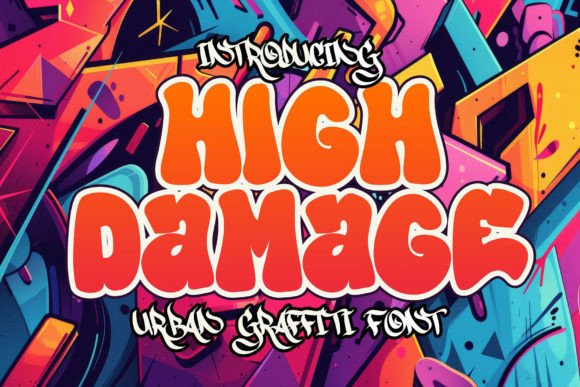
In the crowded landscape of digital typography, finding a font that truly captures the raw energy of street culture without sacrificing legibility is a rare feat. High Damage fills this gap by offering a layered, graffiti-inspired aesthetic that blends solid and outline characters into a cohesive visual statement. For designers looking to infuse their work with an authentic urban attitude, this typeface provides the necessary 3D visual impact to demand attention. However, like any specialized tool, its power lies not just in downloading it, but in understanding how to wield it effectively to avoid common pitfalls that can undermine your design's professionalism.
Understanding the Unique Composition of High Damage
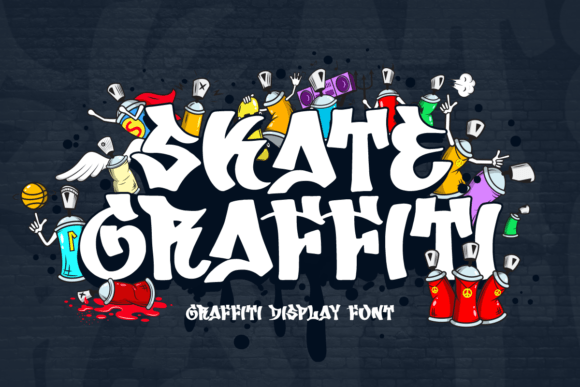
At its core, High Damage is more than just a collection of letters; it is a stylistic system designed to mimic the chaotic yet calculated nature of city-centric art. The font's unique composition relies on the interplay between filled forms and hollow outlines, creating a depth that flat typefaces simply cannot achieve. This layering technique is what gives the text its signature "damage" look, suggesting wear, texture, and movement.
People are drawn to High Damage because it solves a specific problem: the need for authenticity in commercial projects. Whether you are creating streetwear graphics, designing music album covers, or producing vibrant posters, the font bridges the gap between professional polish and underground grit. It allows creators to signal a connection to urban culture without resorting to generic clip-art or overused script fonts that often feel disconnected from the subject matter.
Common Mistakes When Applying Layered Typography
Despite its versatility, many designers make critical errors when first integrating High Damage into their workflows. These mistakes often stem from a misunderstanding of how complex, multi-layered fonts interact with different media and backgrounds. Recognizing these issues early can save you time, money, and reputation damage.
The Background Clash
One of the most frequent oversights is placing High Damage against busy or high-contrast backgrounds without adjusting the opacity or stroke weight. Because the font features both solid and outline elements, a chaotic background can cause the outlines to disappear or vibrate visually, making the text difficult to read. This happens because the eye struggles to separate the foreground text from the background noise.
To correct this, always test your design at a smaller scale before finalizing. If the outlines are getting lost, consider adding a subtle drop shadow or a solid backing shape behind the text block. Alternatively, switch to the solid character set within the font family if the background is too dense. The goal is to maintain the 3D impact while ensuring the message remains clear.
Overusing the Effect
Another common error is using High Damage for large blocks of body text. While the font is stunning for headlines, logos, and short phrases, its intricate details become overwhelming when stretched across paragraphs. Using it for long-form content reduces readability and creates visual fatigue for the viewer.
A better approach is to treat High Damage as an accent element. Use it strictly for titles, call-to-action buttons, or key branding words. Pair it with a clean, neutral sans-serif font for the supporting text. This contrast highlights the urban attitude of the headline while keeping the overall layout balanced and easy to digest.
Ignoring Color Hierarchy
Designers often assume that because the font has built-in depth, they don't need to worry about color hierarchy. In reality, applying multiple bright colors to both the solid and outline parts of the same letter can create a muddy, amateurish look. The layers compete for attention rather than working together to create depth.
Instead, use a monochromatic or limited palette where the outline is a slightly darker or lighter shade of the solid fill. This subtle variation enhances the 3D effect without causing visual confusion. If you must use contrasting colors, ensure there is a distinct separation between the two elements, perhaps by increasing the spacing or using a white gap between the layers.
Evaluating Suitability Before You Download
Before committing to High Damage for a project, it is essential to evaluate whether it aligns with your specific goals and audience. Not every brand or message benefits from a gritty, distressed aesthetic. Using a font like this for a corporate finance report or a minimalist luxury brand would likely send mixed signals and confuse your audience.
Ask yourself if the "urban attitude" matches the voice of your brand. If you are targeting a younger demographic interested in street culture, music, or fashion, High Damage is an excellent choice. However, if your primary goal is conveying trust, stability, or traditional elegance, a simpler typeface might be more effective. The wrong font choice can dilute your message and make your brand appear inconsistent or out of touch.
Practical Strategies for Better Results
To get the most out of High Damage, consider these practical strategies that focus on usability and presentation:
- Test Print Quality: If you are using this font for physical merchandise like t-shirts or stickers, print a small sample first. The fine lines in the outline characters may not reproduce well on certain fabrics or with low-resolution printing methods. Adjusting the line thickness in your design software before sending to print can prevent wasted materials.
- Leverage Kerning: Graffiti-style fonts often have tight spacing, but digital rendering can sometimes make letters collide awkwardly. Manually adjust the kerning (spacing between letters) to ensure the 3D layers do not overlap unintentionally. This small adjustment significantly improves the professional quality of the final output.
- Contextualize with Imagery: High Damage works best when paired with imagery that complements its style. Use textures like concrete, brick, or spray paint splatters to reinforce the theme. Conversely, pairing it with overly polished, sterile photography can create a jarring disconnect that weakens the overall design.
Final Thoughts on Authenticity and Impact
High Damage offers a powerful way to craft authenticity in your inspired creations, but its success depends on thoughtful application. By avoiding the trap of overuse, paying attention to background interactions, and respecting the limits of the medium, you can harness its full potential. Remember that good design is about communication, not just decoration. When used correctly, this font elevates your projects, infusing them with a fresh graffiti aesthetic that resonates with viewers and stands out in a saturated market.
Whether you are a freelancer building a portfolio or a small business owner launching a new product line, taking the time to understand the nuances of High Damage will pay dividends. It transforms a simple text element into a dynamic visual anchor, ensuring your designs not only look good but also communicate the right attitude with precision and clarity.