Bloody Horror 2.0: The Ultimate Ink-Style Font for Creepy Designs
In the realm of digital typography, few styles evoke a visceral reaction quite like the handwritten horror aesthetic. It captures the raw energy of a frantic scrawl or the chilling drip of fresh ink on parchment. Bloody Horror 2.0 has emerged as a standout choice for designers and creators seeking to inject genuine terror into their visual projects. This updated version of the popular typeface builds upon its predecessor's reputation, offering a more robust toolkit for those who need to communicate fear, mystery, and the macabre without relying on clichéd clip art.
Whether you are an independent author designing your next thriller novel cover, a small business owner creating seasonal marketing materials, or a graphic designer working on a high-stakes Halloween campaign, the right font can make or break your concept. Bloody Horror 2.0 is not just a decorative element; it is a narrative device that sets the tone before a single word is read. With its expansion into multiple languages, this font family has transitioned from a niche novelty to a versatile asset for global creative projects.
The Evolution of a Spooky Typeface
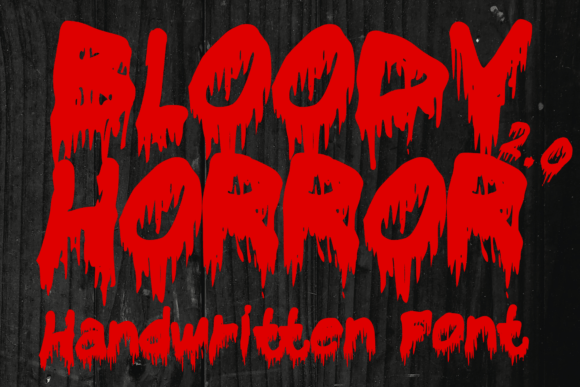
Typography often evolves to meet the changing needs of the design community. The original iteration of this font was beloved for its jagged edges and fluid, blood-like drips. However, as design standards shifted towards greater inclusivity and international usability, there was a clear demand for broader character support. Bloody Horror 2.0 answers this call directly. The new version retains the signature "ink-made" aesthetic that made the original famous but significantly expands its utility through enhanced language compatibility.
This update is particularly significant because it moves beyond the limitations of English-only scripts. By including full support for French, German, Italian, and Spanish, the font opens doors for creators working in diverse markets. Imagine a horror anthology published in Berlin or a haunted attraction in Madrid needing signage that feels authentic to the local language while maintaining a universal sense of dread. Without these extended character sets, designers would often have to resort to mixing fonts, which disrupts visual flow and dilutes the impact. Bloody Horror 2.0 solves this by providing a cohesive look across all five major European languages.
Characteristics That Define the Style
What exactly makes this font stand out in a crowded marketplace? The primary characteristic is its simulation of hand-drawn ink. Unlike geometric sans-serifs or rigid serifs, this typeface mimics the unpredictability of a human hand moving quickly under pressure. The strokes vary in thickness, suggesting the drag of a pen nib or the uneven flow of liquid ink. This irregularity is crucial for horror themes, as perfection often feels sterile and artificial. True horror is messy, chaotic, and organic.
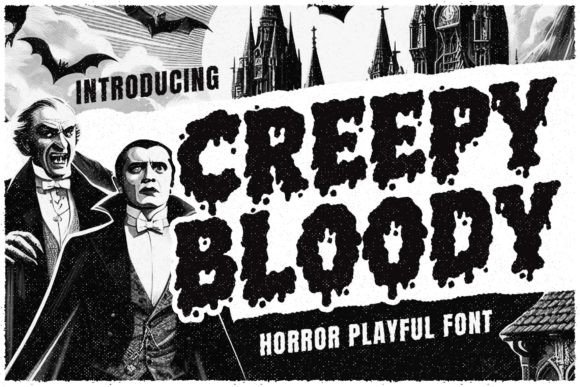
The "bloody" aspect of the name refers to the specific stylistic flourishes included in the glyphs. Certain letters feature subtle drips or splatters that hang off the bottom of characters, reinforcing the theme without overwhelming the legibility. In Bloody Horror 2.0, these effects have been refined to ensure they remain impactful even at smaller sizes, such as on social media graphics or mobile app interfaces. The balance between readability and atmosphere is delicate, and this font manages to walk that line effectively.
Practical Applications Across Industries
The versatility of Bloody Horror 2.0 extends far beyond simple text replacement. Its application spans various industries, each leveraging the font's unique properties to achieve specific goals. Understanding where this font fits best can help creators maximize its potential.
- Publishing and Book Design: For authors of thrillers, gothic fiction, and supernatural tales, the cover is the first point of contact with the reader. Using Bloody Horror 2.0 for titles immediately signals the genre. It works exceptionally well for chapter headings within the book as well, adding an immersive layer to the reading experience.
- Apparel and Merchandise: T-shirts, hoodies, and tote bags often rely on bold typography to convey a message. A scary phrase rendered in this ink-style font looks fantastic when printed on dark fabrics. The contrast between the white or red text and black clothing creates a striking visual that stands out in a crowd.
- Event Marketing: Halloween parties, escape rooms, and haunted houses require extensive signage. From banners hanging at the entrance to stickers on props, this font helps build an environment of suspense. Because it supports multiple languages, it is ideal for international events or venues catering to tourists.
- Greeting Cards and Stationery: While often associated with holidays, horror-themed stationery has a dedicated following. Birthday cards for fans of the genre, invitation cards for themed gatherings, or even quirky holiday greetings can benefit from the playful yet eerie nature of the typeface.
- Digital Media and Social Content: In the age of short-form video and quick-scrolling feeds, grabbing attention instantly is vital. Thumbnails for YouTube videos, Instagram story overlays, and blog headers gain immediate thematic clarity when styled with Bloody Horror 2.0.
Who Benefits Most from This Update?
While the font appeals to hobbyists, the expanded features of version 2.0 offer substantial value to professionals. Graphic designers working on international campaigns no longer need to hunt for alternative fonts that match the style but lack the necessary glyphs. Small business owners running online stores can create cohesive branding for their product lines, ensuring that their packaging and labels look professional regardless of the target market's language.
Furthermore, content creators who produce material for a global audience will find the multilingual support indispensable. If you are writing a blog about horror movies or hosting a podcast that covers international folklore, having a consistent visual identity across different languages strengthens your brand recognition. Bloody Horror 2.0 ensures that a headline in Spanish looks just as menacing and stylized as one in English.
Evaluating Suitability and Limitations
Despite its strengths, it is important to approach Bloody Horror 2.0 with a critical eye regarding its suitability for every project. Like any display font, it is designed for impact rather than long-form reading. While it excels in headlines, logos, and short phrases, using it for body text in a lengthy article or a dense paragraph can lead to reader fatigue. The irregular shapes and decorative elements can strain the eyes over time.
Designers should also consider the context of their audience. While perfect for Halloween, horror, and thriller genres, this font may be inappropriate for corporate communications, children's educational materials (unless specifically for a spooky story), or serious news reporting. The "horror touch" is a strong stylistic choice that dictates the mood of the entire piece. Misusing it can result in a disjointed or confusing user experience.
Additionally, while the multilingual support is a major upgrade, users should always test the font with their specific text before finalizing a design. Some complex diacritical marks or special characters might render differently depending on the software used. It is a best practice to proofread the final output to ensure that the intended message is conveyed clearly without typographic errors.
Bringing the Vibe to Life
The true power of Bloody Horror 2.0 lies in its ability to transport the viewer. When applied correctly, it doesn't just display words; it evokes feelings. The dripping ink suggests violence or urgency, while the handwritten quality implies a personal, perhaps desperate, message. This emotional resonance is what separates a good design from a great one.
For those looking to experiment, try pairing this font with textures that enhance its realism. Backgrounds resembling old paper, cracked stone, or dark wood can amplify the effect. Alternatively, placing the text against a stark, clean background can make the "blood" effects pop with modern intensity. The flexibility of the font allows it to adapt to both vintage and contemporary aesthetics.
As the creative landscape continues to evolve, tools like Bloody Horror 2.0 become essential for storytellers and marketers alike. By combining a distinct visual style with practical multilingual capabilities, it offers a comprehensive solution for anyone looking to add a touch of fright to their work. Whether you are designing a t-shirt for a local festival or branding a global horror franchise, this font provides the foundation for fabulous, spine-chilling designs.
Ultimately, the decision to use a specific typeface is about aligning the visual language with the intended message. If your goal is to capture the essence of Halloween, to thrill your audience, or to create a memorable brand identity rooted in the mysterious, then Bloody Horror 2.0 is a compelling choice worth exploring. Try it out in your next project and feel the difference that a truly atmospheric font can make.