Evaluating the Boba Berry Display Font
In the realm of digital typography, specific design challenges often require more than standard sans-serif or serif options. Designers frequently seek typefaces that convey a distinct emotional tone, such as playfulness, celebration, or whimsy. Boba Berry is a 3D balloon display font designed to meet this specific aesthetic need. It presents itself not merely as a set of characters, but as a visual element intended to add depth and personality to graphic projects. For professionals and hobbyists alike, understanding the practical application, limitations, and stylistic impact of Boba Berry is essential before integrating it into a workflow.
Understanding the Design Structure
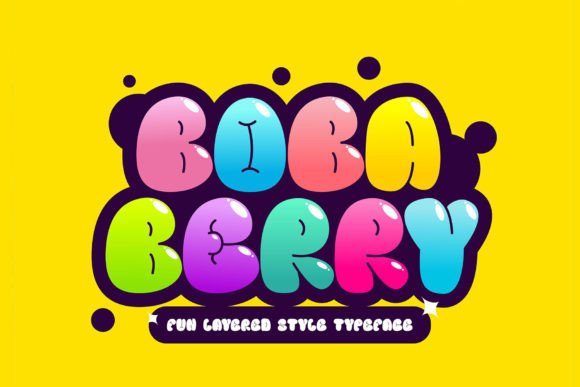
Boba Berry is characterized by its three-dimensional construction, mimicking the appearance of inflated balloons. This is achieved through a unique three-layered character set that creates an illusion of volume and shadow. Unlike flat vector fonts, this layering technique allows the text to stand out against various backgrounds, providing immediate visual weight. The design philosophy behind Boba Berry prioritizes a "bouncy" vibe, utilizing rounded edges and vibrant potential to evoke feelings of warmth and happiness.
The structure of the font is inherently decorative. Each glyph is crafted to resemble a physical object rather than a mere typographic symbol. This approach makes the font highly legible in large sizes but introduces specific constraints regarding spacing and alignment. When evaluating Boba Berry, it is important to recognize that its primary function is ornamental. It is engineered to serve as a focal point in headlines, logos, or posters where the text itself acts as an image.
Key Benefits for Specific Projects
There are several compelling reasons why a designer might choose Boba Berry for a project. The most significant advantage is its ability to instantly communicate a theme without requiring additional graphical assets. Because the font embodies a celebratory and playful nature, it reduces the need for complex background illustrations in certain contexts.
- Thematic Consistency: For events centered around children, birthdays, or parties, the balloon aesthetic aligns perfectly with the subject matter. It reinforces the message of fun and festivity immediately upon viewing.
- Visual Depth: The three-layered system provides a built-in sense of dimensionality. This can be particularly useful in designs where flat text might get lost or appear too stark against colorful backdrops.
- Emotional Impact: Typography plays a crucial role in setting the mood. Boba Berry's rounded forms and implied texture stimulate a positive emotional response, making it effective for invitations, greeting cards, and social media graphics aimed at a lighthearted audience.
Furthermore, the versatility of the font extends beyond simple party themes. Any project requiring a whimsical touch—such as educational materials for young learners, toy packaging, or creative branding for lifestyle products—can benefit from its charismatic style. The font's capacity to capture attention makes it a strong candidate for headlines where engagement is the primary goal.
Tradeoffs and Considerations
While Boba Berry offers distinct aesthetic advantages, it is not a universal solution for all typographic needs. A balanced evaluation requires acknowledging its limitations. The most notable tradeoff is readability at smaller sizes. Due to the intricate details and the 3D effect, the characters can become indistinct when scaled down. Consequently, Boba Berry should generally be restricted to headings, titles, and short phrases rather than body copy.
Another consideration is file size and rendering complexity. Fonts with multiple layers or advanced effects may require more processing power to render smoothly across different devices and platforms compared to standard single-layer fonts. Designers must ensure that the final output maintains clarity, especially if the design will be viewed on mobile screens or printed on low-resolution materials.
Additionally, the strong stylistic identity of Boba Berry means it competes with other elements in a layout. If a design already features heavy textures, complex patterns, or other bold fonts, adding Boba Berry could result in visual clutter. It demands negative space to breathe and shine effectively. Users should also consider color compatibility; while the font is described as bursting with vibrant features, the 3D effect relies heavily on contrast and shading, which may require careful color selection to maintain legibility.
Ideal Use Cases
To determine if Boba Berry aligns with your goals, consider the context of your project. It is a strong fit for situations where the primary objective is to create an atmosphere of joy and excitement. Specific scenarios include:
- Event Invitations: Birthday parties, baby showers, and children's events where the text needs to feel festive and inviting.
- Marketing Headlines: Promotional banners for family-oriented products, summer sales, or seasonal campaigns that aim to feel light and approachable.
- Children's Content: Book covers, educational worksheets, or website headers targeting a younger demographic.
- Social Media Graphics: Posts celebrating milestones, holidays, or personal achievements where a cheerful tone is appropriate.
In these contexts, the font's unique three-layered character set adds value by elevating the visual hierarchy and drawing the eye directly to the key message. The "carousel of style" it offers allows designers to experiment with different layouts while maintaining a cohesive, playful theme.
When to Consider Alternatives
Despite its charm, there are situations where alternatives to Boba Berry are more appropriate. If the project requires formal communication, such as business reports, legal documents, or corporate announcements, a clean, neutral typeface is necessary to maintain professionalism. The whimsical nature of Boba Berry would undermine the seriousness of such content.
Similarly, for long-form reading material, the decorative elements of the font can cause eye strain and reduce comprehension speed. In cases where information density is high, a simpler sans-serif or serif font will serve the reader better. Additionally, if the design aesthetic is minimalist or modernist, the heavy, textured look of Boba Berry may clash with the desired sleekness. Designers aiming for a sophisticated, understated look should explore geometric or humanist sans-serifs instead.
Practical Decision-Making Insights
Before committing to Boba Berry, conduct a practical test within your design environment. Create a mock-up using the actual text you intend to use. Check how the three layers interact with your chosen background colors and images. Assess whether the text remains legible at the intended size and distance.
Ask yourself if the font supports the core message of the project. If the goal is to inform, prioritize clarity over decoration. If the goal is to entertain or celebrate, then the expressive qualities of Boba Berry become an asset. Finally, consider the longevity of the design. While trendy, highly stylized fonts can date quickly, the classic appeal of a balloon motif has remained relevant in celebratory contexts for decades. However, ensure that the specific execution of Boba Berry fits the current design trends of your target audience.
Ultimately, Boba Berry is a specialized tool in a designer's kit. It excels when used intentionally to inject personality and depth into specific visual communications. By understanding its strengths in creating a bouncy, joyful atmosphere and respecting its limitations regarding readability and formality, you can make an informed decision about its inclusion in your next creative endeavor.