Dynamic Display: A Bold New Era in Typography
In the crowded digital landscape, capturing attention is often a matter of milliseconds. For designers, brand owners, and creative professionals, the choice of typeface is not merely an aesthetic decision; it is a strategic move to communicate personality before a single word is read. Enter Dynamic Display, a font family that has quickly emerged as a game-changer in the world of display typography. Unlike traditional bold fonts that rely on sheer weight to make an impact, Dynamic Display introduces a playful, psychedelic twist that breathes life into static text. It is designed for those who understand that modern branding requires energy, depth, and a touch of whimsy.
The Philosophy Behind the Design
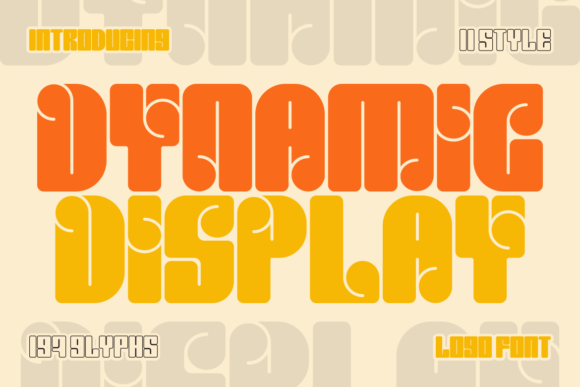
At its core, Dynamic Display was crafted to solve a common problem in graphic design: how to make bold lettering feel organic rather than heavy. Many standard display fonts can appear flat or overly aggressive when used at large sizes. Dynamic Display addresses this by incorporating unique cut-outs within each character. These negative spaces are not random; they are meticulously engineered to add visual rhythm and movement to the words. When you apply this typeface to a project title, the letters seem to vibrate with energy, creating a sense of depth that draws the eye inward.
This approach embodies a "fun" philosophy without sacrificing legibility. The font strikes a delicate balance between being avant-garde and functional. It takes the structural integrity of traditional bold fonts and injects them with a retro-futuristic spirit, reminiscent of 1960s psychedelia but refined for contemporary digital and print media. This makes it an ideal choice for brands that want to signal creativity, youthfulness, and innovation immediately upon first glance.
A Robust Character Set for Versatile Needs
One of the most compelling aspects of Dynamic Display is its comprehensive character set. With 199 glyphs, this typeface goes far beyond the standard alphabet. It offers a wide array of special characters, ligatures, and alternative forms that cater to diverse design requirements. Whether you are crafting a bespoke logo that needs a unique flair or designing packaging that requires specific symbols to stand out on a shelf, the extensive library ensures you won't run out of options.
The versatility of these glyphs allows for significant customization. Designers can mix and match different character variations to create a truly bespoke look for their projects. This flexibility is crucial for maintaining brand consistency while allowing for creative evolution across different marketing materials. From crafting intricate monograms to spicing up product labels, the robust nature of the font ensures that every application feels intentional and polished.
Real-World Applications and Use Cases
Understanding where a font shines is just as important as understanding its features. Dynamic Display is not a one-size-fits-all solution; it is a specialized tool best suited for specific contexts where impact is paramount. Here are several scenarios where this typeface excels:
- Brand Identity and Logos: For startups and established businesses looking to rebrand with a fresh, energetic voice, Dynamic Display serves as an excellent foundation. Its unique cut-outs ensure that logos remain memorable and distinct in a sea of generic sans-serif marks.
- Packaging Design: In the retail environment, products must compete for space on shelves. Using Dynamic Display for product names or key selling points on packaging can help items "pop off the page," catching the consumer's eye from a distance.
- Event Invitations and Greeting Cards: Events like music festivals, birthday parties, or art exhibitions benefit from typography that conveys excitement. Dynamic Display adds a layer of festivity and anticipation to invitations, setting the tone before the guest even reads the details.
- Children's Books and Educational Materials: The playful nature of the font makes it perfect for engaging young readers. It transforms headers and titles in children's books into visual adventures, encouraging interaction with the text.
- Magazine Headlines and Posters: Editors and poster artists often need headlines that command attention. Dynamic Display delivers high-impact visuals that work beautifully in both print and digital formats, ensuring that the main message is never missed.
- Vibrant Stickers and Merchandise: For creators producing stickers, t-shirts, or tote bags, this font provides a graphic quality that translates well to various textures and colors, adding a professional edge to DIY-style projects.
Navigating Limitations and Considerations
While Dynamic Display is powerful, it is essential to recognize its limitations to use it effectively. As a display font, it is optimized for larger sizes. Attempting to use it for body text in small point sizes can lead to readability issues, as the intricate cut-outs may blur together or become indistinguishable. Therefore, it should be reserved for headlines, titles, and short phrases where its character can be fully appreciated.
Additionally, the bold and psychedelic nature of the font carries a specific emotional weight. It may not be suitable for industries that require a strictly formal, conservative, or somber tone, such as legal firms, medical reports, or financial audits. In these contexts, the playful elements might undermine the perceived seriousness of the content. Evaluating the suitability of Dynamic Display for a project requires a clear understanding of the target audience and the brand's core values.
Maximizing Impact with Strategic Pairing
To get the most out of Dynamic Display, consider how it interacts with other design elements. Because the font is so visually active, it often pairs best with simpler, more neutral typefaces for supporting text. A clean, minimal sans-serif or a classic serif font can provide the necessary breathing room, allowing the Dynamic Display headlines to take center stage without overwhelming the viewer.
Color also plays a pivotal role. The cut-out designs within the letters offer an opportunity for creative color blocking. By using contrasting colors for the background and the fill of the letters, or even applying gradients within the cut-out sections, designers can enhance the three-dimensional effect and further amplify the dynamic feel of the typography.
Why Professionals Are Choosing Dynamic Display
The shift towards more expressive and personality-driven typography reflects a broader trend in design culture. Audiences today are inundated with content and have developed a resistance to generic, cookie-cutter aesthetics. They crave authenticity and visual interest. Dynamic Display meets this demand by offering a typeface that feels human, energetic, and crafted with care.
For business owners, adopting a font like this signals a willingness to embrace creativity and connect with customers on an emotional level. It suggests that the brand is not afraid to take risks or stand out. For freelance creators, it provides a competitive edge, allowing them to deliver projects that look distinctive and professionally executed. Ultimately, the value of Dynamic Display lies in its ability to transform ordinary words into extraordinary visual statements.
Conclusion: Bringing Your Projects to Life
In conclusion, Dynamic Display represents more than just a collection of letters; it is a tool for storytelling and brand expression. With its robust character set, unique cut-outs, and playful yet professional aesthetic, it empowers designers to create work that resonates with energy and personality. Whether you are launching a new product, designing a festival poster, or simply looking to refresh your brand identity, this font offers the versatility and impact needed to make a lasting impression.
By understanding its strengths, respecting its limitations, and applying it strategically, you can unlock the full potential of your creative projects. In a world where attention is the currency of success, Dynamic Display ensures that your message doesn't just get seen—it gets remembered.